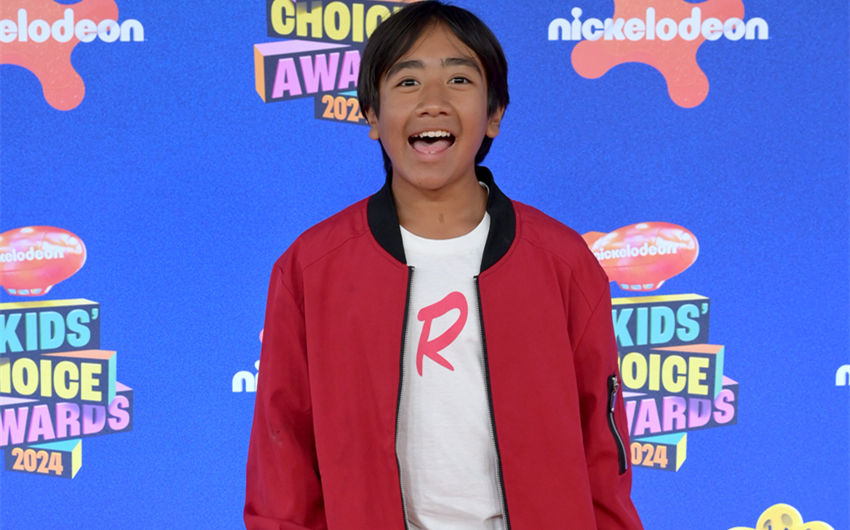
Ryan Kaji Net Worth Estimate and How Ryan’s World Built His Fortune
Ryan Kaji net worth gets so much attention because his success isn’t just “a kid on YouTube.” It’s a full-scale family entertainment business with licensing, retail products, and media deals layered on top of massive viewership. There’s no official public balance sheet, but you can still make sense of his wealth by looking at the most-cited estimates and how the Ryan’s World machine actually makes money.
Who Is Ryan Kaji?
Ryan Kaji is the young star behind Ryan’s World, a children’s entertainment brand that began as a toy-review YouTube channel when he was a toddler. The early content was simple—opening toys, playing, and reacting on camera—but it scaled into a global kids’ brand with multiple YouTube channels, licensed characters, retail products, and broader entertainment projects.
One reason Ryan’s story stands out is that it moved beyond platform fame. Many creators rely heavily on ad revenue from views. Ryan’s World turned attention into an ecosystem: videos drive demand, demand drives product sales, product visibility drives more views, and the entire loop reinforces itself. In practical terms, his “career” functions more like a children’s media company than a typical influencer account.
Estimated Ryan Kaji Net Worth
Ryan Kaji’s net worth is not publicly verified. However, the most widely repeated estimates place him at around $100 million, often presented as a broad range rather than an exact number. A realistic way to interpret the public consensus is roughly $70 million to $120 million, depending on what someone assumes about brand ownership structure, profit margins on products, and how much cash has been retained versus reinvested.
That range exists because Ryan’s World is a private, family-run brand. Outsiders can see the audience size and the retail footprint, but they can’t see contract terms, licensing percentages, operating costs, taxes, or how revenue is split between partners. So any number you see online should be treated as an informed estimate, not a confirmed statement.
Net Worth Breakdown: Where the Money Likely Comes From
YouTube Ad Revenue: The Attention Engine, Not the Whole Business
YouTube is the foundation because it’s where the audience was built. With kids’ content, views can be enormous and repeatable—children rewatch videos far more than most adult audiences do. That creates scale, and scale can create meaningful advertising income.
But it’s important to keep expectations realistic. Ad rates vary, kids’ content has unique compliance rules, and revenue depends on geography, watch time, seasonality, and platform policy. So while YouTube ad revenue is real money, it’s better understood as the engine that powers the brand than the single source of wealth.
The bigger value of YouTube is that it functions like always-on marketing. Every video promotes the Ryan’s World universe and keeps the audience warm for the higher-margin business lines.
Merchandise and Retail Products: The Largest Long-Term Wealth Driver
The strongest explanation for why Ryan Kaji’s net worth estimates are so high is retail. Ryan’s World products have been sold through major retailers and toy aisles, which is where the brand graduates from “internet famous” to “global business.”
Retail money can dwarf ad revenue because physical products scale differently. A hit toy line can generate huge sales volume, and even a modest royalty percentage can become enormous when multiplied across millions of units. That’s why creator brands that succeed in retail often leap into a different financial category than creators who remain purely digital.
Also, retail success tends to have a long tail. A strong brand can keep selling seasonal items, new versions of popular products, and licensed spin-offs. The result is more stable earnings than a creator who relies only on monthly view performance.
Licensing Deals: The “Name and Characters” Business
Licensing is the quiet powerhouse behind many children’s brands. Instead of the family directly manufacturing everything, the brand can grant rights for companies to produce products using the Ryan’s World name, characters, and artwork. In exchange, the brand earns licensing fees and royalties.
Licensing matters for net worth because it can be high-margin. You’re monetizing intellectual property rather than carrying full manufacturing risk. The more categories a brand enters—toys, apparel, school supplies, books, games—the more diversified and durable the income stream becomes.
And crucially, licensing is less dependent on Ryan filming every day. Even when content slows down, a licensing network can keep generating revenue because products are already in distribution.
Media Expansion: TV, Streaming, and Wider Entertainment Projects
As Ryan’s World evolved, it moved into broader entertainment projects beyond YouTube. In general, these deals can create income through production fees, distribution payments, and brand-building benefits that increase product demand.
This category can be hard to value from the outside because deal structures vary widely. But strategically, it makes the brand feel bigger and more “official,” which supports everything else—especially licensing and retail negotiations. When a brand looks like a franchise instead of a channel, partners take it more seriously.
Sponsorships and Brand Partnerships: Big Checks, Variable Consistency
High-visibility kid channels can earn money through sponsorships and partnerships, though this category is often more regulated and selective than adult influencer marketing. Sponsors pay for integrations, themed content, or campaigns tied to product launches.
These deals can be lucrative, but they’re less dependable as a long-term pillar because they rely on brand budgets and public sentiment. Most of the time, sponsorships are best understood as a strong supplemental stream that stacks on top of the bigger engines: retail and licensing.
Digital Products and Platform Monetization Beyond YouTube
Many modern kids’ brands expand into apps, simple games, paid downloads, or platform licensing. This can add incremental revenue, but it usually isn’t the primary wealth driver unless a game becomes a breakout hit.
Still, digital products matter because they deepen the ecosystem. The more touchpoints kids have with the brand, the more likely they are to remain fans and influence household spending on toys and merchandise.
Costs, Taxes, and Why “Revenue” Isn’t the Same as Net Worth
This is the part that explains why net worth estimates vary so widely. Ryan’s World is not just a camera and a bedroom setup. It’s a business with real expenses: production staff, editors, equipment, sets, travel, legal compliance, brand management, and the operational overhead of running a large-scale licensing and retail strategy.
Then there are taxes and professional fees. Successful creator businesses typically use accountants, lawyers, and business managers to handle contracts and protect the brand. Those costs are worth it, but they reduce the amount of money that turns into long-term retained wealth.
So even if the brand generates massive top-line sales, net worth depends on the profit that remains after everyone gets paid—and on how much of that profit is saved or invested rather than spent or reinvested back into the business.