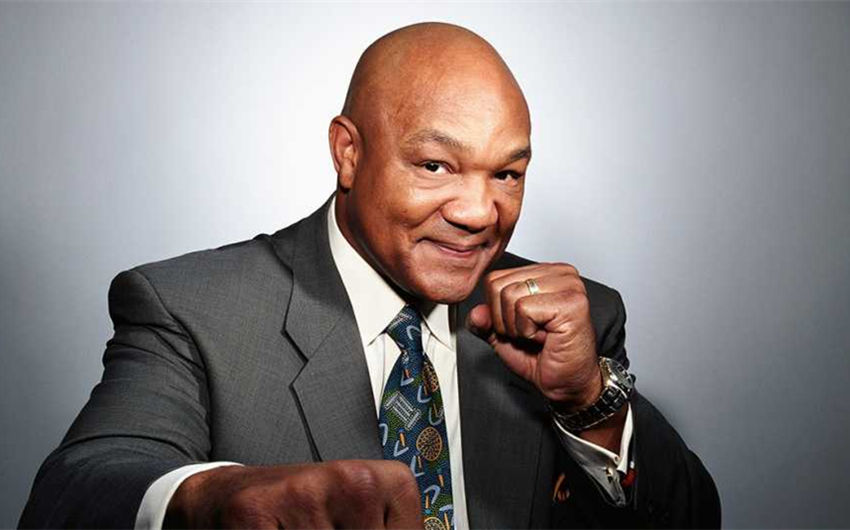
George Foreman Net Worth: Estimate, Who He Was, and How His Wealth Was Built
George Foreman net worth became a major point of curiosity because his biggest fortune didn’t come from boxing—even though he was a two-time heavyweight champion and one of the sport’s most iconic names. It came from something far more unexpected: the George Foreman Grill. By the time of his death in March 2025, Foreman was widely described as one of the richest athletes of his era, thanks largely to a consumer-product deal that turned his name into a long-running business asset.
Who Was George Foreman?
George Edward Foreman was an American heavyweight boxing legend, entrepreneur, minister, and author. He won an Olympic gold medal in 1968, became world heavyweight champion in the 1970s, and later made one of the most famous comebacks in sports history by reclaiming the heavyweight title in 1994 at age 45. Outside the ring, he became a household name as the face of the George Foreman Grill, a product that ran for decades and sold tens of millions of units worldwide.
Foreman died on March 21, 2025, at age 76. That timing matters because “net worth” in his case is often discussed as both (1) what he was worth during his later years and (2) what his estate was believed to be worth at the time of his death.
Estimated George Foreman Net Worth
George Foreman’s net worth was most commonly estimated at around $300 million near the end of his life, with some estimates placing him a bit above that depending on how they value long-term investments and real estate. Because he held private assets and because consumer-product earnings aren’t always fully transparent, you’ll see slight variation across sources. Still, the consistent headline is the same: Foreman’s wealth was believed to be in the high hundreds of millions, and it was driven primarily by his grill deal rather than his fight purses.
Net Worth Breakdown: Where George Foreman’s Money Came From
The George Foreman Grill: The Main Wealth Engine
If you want the clearest explanation of George Foreman’s fortune, start with the grill. Foreman’s endorsement and partnership with the grill brand is widely regarded as one of the most successful celebrity product deals in history.
At the beginning, his deal structure reportedly included a share of profits, not just a flat endorsement fee. That matters because profit participation scales. If a product becomes a phenomenon, your income can jump far beyond what a standard spokesperson would earn. During the grill’s peak popularity, Foreman’s monthly checks were often described as enormous—so large that they dwarfed even championship-level boxing paydays.
Then came the second major wealth event: a buyout. The company behind the product reportedly paid Foreman a massive one-time sum to secure long-term rights to use his name. Even if you ignore every other income stream he had, the combination of profit-sharing checks plus the buyout is the core reason his net worth landed in the neighborhood of $300 million. In practical terms, Foreman didn’t just “endorse” the grill—he turned his name into a royalty-like asset and then converted part of that future earning power into a huge lump-sum payout.
Boxing Earnings: Big Money for the Era, Smaller Than the Grill in the End
Foreman absolutely earned real money in boxing—especially for the time. He was a pay-per-view attraction before modern fighter payouts exploded, and he fought in the highest-profile heavyweight era imaginable. His comeback years also brought substantial paychecks and renewed commercial attention.
But here’s the key: even the biggest boxing purses of his era were limited compared to what a globally popular consumer product could generate year after year. Foreman’s ring earnings were meaningful and helped build his early financial foundation, yet they were ultimately not the main reason he became so wealthy.
In net worth terms, boxing mattered because it created the brand. The titles and iconic fights gave him public credibility and long-term recognition, which later made consumers trust him as a spokesperson for a “healthier cooking” product. The ring built the name; the grill monetized it at scale.
Endorsements and Commercial Appearances Beyond the Grill
Once Foreman became a recognizable, trusted figure—especially during his comeback—he had endorsement power far beyond a typical retired athlete. Commercial appearances, licensing deals, and paid promotions can add significant income over time, particularly when a celebrity maintains a “family-friendly” image that brands want.
Even if those deals were smaller than the grill money, they still contributed to long-term wealth because they stacked with everything else. When you already have a massive anchor income stream, smaller deals can be invested instead of spent, which helps wealth compound.
Media Projects, Books, and Public Speaking
Foreman also earned from media work, interviews, documentaries, and authorship. These streams typically don’t create nine-figure wealth on their own, but they can be consistent and can reinforce the brand that supports bigger money sources.
For someone like Foreman, public speaking and media work also served a strategic purpose: staying visible. Visibility is a financial asset when your name is tied to products and licensing. The more recognizable and trusted you are, the longer those deals stay valuable.
Real Estate, Investments, and Long-Term Asset Growth
A net worth in the hundreds of millions almost always includes a serious “quiet wealth” layer—real estate and investments. While the exact details of Foreman’s portfolio were not fully public, it is reasonable to expect that someone with decades of high income converted part of that cash flow into long-term assets.
This category is important because it explains how wealthy people stay wealthy. A big payday can disappear quickly if it’s spent. But if it’s invested into property and diversified assets, it can grow, generate income, and protect against changes in personal earning power. For Foreman, investing would have been especially relevant because his boxing income was finite, while his grill money—although massive—still benefited from being converted into durable assets.
Estate Considerations After His Death
Because George Foreman died in 2025, “net worth” discussions often blend into “estate value.” When a person’s wealth includes licensing agreements, long-term product rights, and intellectual property connected to their name, the estate conversation becomes more complex than just cash in a bank account.
Some value can continue through rights and royalties, while other value depends on contract terms or buyout structures already completed during life. This is why you may see ongoing debate around the precise final number: estate valuations can vary depending on how assets are appraised and what obligations exist.
Featured Image Source: https://www.aarp.org/entertainment/beauty-style/george-foreman-pitchman-2014/