Hilaria Baldwin Explained: Wellness Career, Family Life, and Public Controversies Over Time
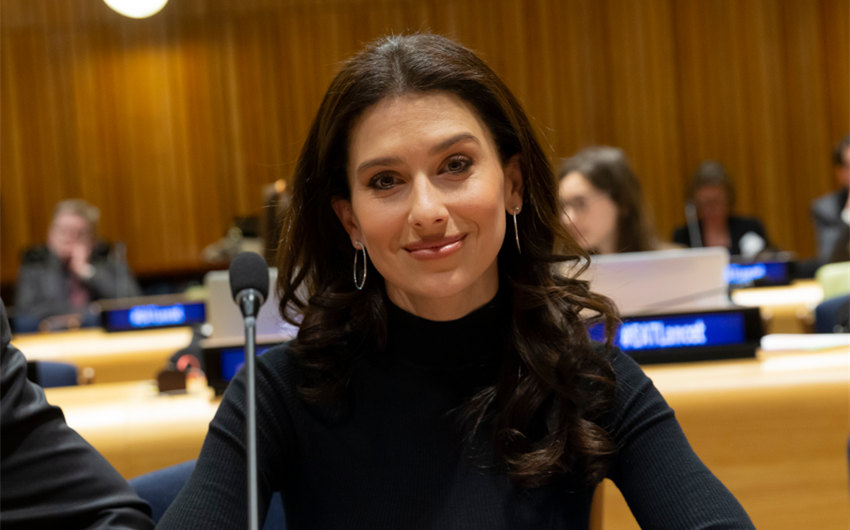
Hilaria Baldwin is one of those public figures people think they “know” because she’s been visible for so long—yet most of what gets repeated about her is either incomplete or frozen in one viral moment. You’ve likely heard her name tied to yoga, motherhood, Alec Baldwin, and the Spanish identity controversy. The truth is she’s all of those things at once: a wellness entrepreneur, a media personality, and a lightning rod for debates about identity, performance, and what the internet thinks it’s entitled to decide.
Who Is Hilaria Baldwin?
Hilaria Baldwin is an American yoga instructor, author, and public lifestyle figure who became widely known through her work in wellness and her marriage to actor Alec Baldwin. She was born Hillary Lynn Hayward-Thomas on January 6, 1984, in Boston, Massachusetts, and later began using the name “Hilaria.”
If you’re trying to understand why she stays in the conversation, it helps to separate her into three lanes that overlap constantly: the wellness lane (yoga, exercise, lifestyle), the family lane (a very public marriage and seven kids), and the controversy lane (a long-running debate about how she presented her background and accent). Her public image is basically the collision of those three things.
Her Early Life and the Name Question
The first reason people still argue about Hilaria Baldwin is because her personal story has been told in more than one way. She was born and raised in the United States, and her birth name is Hillary. Over time, she began using “Hilaria,” and she has explained that her life involved deep connections to Spain, including travel and bilingualism.
To many people, a name change is normal—plenty of public figures go by middle names, nicknames, stage names, or professional names. But with Hilaria, the internet didn’t treat it like a simple preference. It treated it like a clue in a mystery, and once the “mystery” framing took hold, everything about her became something to litigate: pronunciation, cadence, cultural references, even the way she spoke in interviews.
Whether you sympathize with her or criticize her, one thing is obvious: she became a symbol for a larger argument that goes beyond her personally. The debate wasn’t only “Where are you from?” It became “What does authenticity even mean when you’re bilingual, online, and watched?”
How She Became Famous Through Wellness
Before she was a constant headline, Hilaria’s public identity was rooted in fitness and yoga culture. She built a brand around wellness at a time when “wellness” was becoming its own industry rather than a niche. Her image leaned into discipline, flexibility, food choices, and the idea that a calmer body creates a calmer life.
She’s been associated with the founding and building of a yoga studio business in New York City, and that entrepreneurial angle matters. A lot of people talk about her as if she simply “married into fame,” but she was actively building a career in a scene where branding is the work. In the wellness world, your lifestyle is your résumé, and the line between personal and professional is basically nonexistent.
That is also why she became a natural fit for lifestyle content and publishing. Her platform wasn’t built on acting or music. It was built on “I’m showing you how I live,” and that kind of content invites both admiration and scrutiny.
Marriage to Alec Baldwin and Why It Changed Everything
Hilaria married Alec Baldwin in 2012, and that relationship instantly amplified her visibility. Alec Baldwin is the kind of famous that comes with decades of public memory, meaning people weren’t simply curious about him—they felt ownership over his story. When he married Hilaria, she didn’t just gain attention. She inherited an audience that already had strong opinions.
Celebrity marriages also come with a predictable distortion. Instead of being seen as a full person with a career, the spouse can become a supporting character in the public narrative. That’s especially true when the spouse is in a lifestyle space, because the internet tends to reduce wellness influencers to “a vibe” rather than a profession.
For Hilaria, marriage didn’t erase her work; it made the public interpret her work through a different lens. Everything she did became “Alec Baldwin’s wife does X,” even when X had been part of her identity before the wedding.
Hilaria Baldwin as a Mother of Seven
The most consistent part of Hilaria’s modern image is motherhood. She and Alec Baldwin have seven children together, and she has centered a large portion of her public content around parenting, pregnancy, postpartum life, and the emotional reality of raising a big family.
In the internet era, motherhood content is powerful because it feels relatable, but it’s also combustible because everyone thinks their opinion is a public service. If you post your parenting life, you get two audiences at once: people who want to learn from you and people who want to correct you. With seven kids, every small choice can turn into a debate.
There’s also the practical reality you don’t see in curated photos: seven children means noise, logistics, fatigue, and constant organization. It’s not just “busy.” It’s a lifestyle built around managing chaos without letting the chaos become your identity. Whether you agree with her presentation or not, her public brand leans heavily on the idea that she is the center of that household’s routine.
The Spanish Accent and Identity Controversy
In late 2020, Hilaria Baldwin faced intense backlash after online users questioned how she had presented her background, including her use of a Spanish accent in some public moments and how she discussed her connection to Spain. The controversy spread quickly because it had everything the internet likes: clips, “receipts,” a narrative twist, and a moral angle people could argue about.
Her response over time has generally emphasized bilingualism, multicultural connection, and the idea that mixing languages is normal. Critics, meanwhile, have argued that her public presentation blurred lines in a way that felt misleading. That tension—her framing versus her critics’ framing—has never fully gone away, because it’s not a one-time factual dispute. It’s a perception dispute. And perception disputes don’t end neatly.
If you’re trying to make sense of the obsession, here’s the simplest way to understand it: people weren’t only reacting to an accent. They were reacting to the feeling of being “sold” a story. When audiences believe a story was packaged for them, they respond emotionally, because it feels personal—like being tricked, even if the person involved insists it wasn’t intentional.
At the same time, the internet has a habit of flattening bilingual or multicultural experiences into yes/no categories. Real life is often messier than that. People code-switch. People change cadence depending on context. People pick up speech patterns from family, travel, or community. None of those realities guarantee innocence or guilt in Hilaria’s specific case, but they do explain why the conversation stays heated: the topic touches real questions about identity and belonging, not just celebrity drama.
Books, Branding, and the “Wellness Author” Era
Hilaria Baldwin has extended her wellness brand into publishing, which is a common trajectory for lifestyle figures: once you’ve built an audience, you translate it into products that feel like “your method.” One of her best-known books is The Living Clearly Method, a wellness-focused title built around principles of health and mindset.
In 2025, she released additional books that pushed her brand beyond pure fitness. One book, Manual Not Included, was positioned as a memoir-style look at motherhood, public scrutiny, and personal experience. Another, Glowing Up, leaned toward lifestyle and beauty themes. This matters because it shows the evolution of her public identity: from instructor to influencer to author to reality TV personality.
Whether you love her or dislike her, this part is undeniable: she has consistently tried to turn public attention into structured output—books, projects, content. That’s what modern media careers look like. Visibility is treated like a resource, and the resource is either wasted or turned into something sellable.
The Reality TV Chapter
In 2025, Hilaria and Alec Baldwin expanded their public-facing life through a TLC reality series centered on their family. Reality TV is a high-risk move for anyone with existing controversy, because it doesn’t erase public narratives—it invites viewers to judge you in real time.
For supporters, a show like this can feel like context: “See, this is who they really are at home.” For critics, it can feel like control: “They’re trying to rewrite the narrative.” Both reactions can exist at once, which is why reality TV is rarely neutral. It turns your daily life into a public argument, even if you intended it as a humanizing window.
And once a family puts children on screen, the stakes rise. Audiences stop discussing only adults. They start discussing the entire household. That kind of attention can be intense, and it often changes how a public figure navigates everything afterward.
Why Hilaria Baldwin Still Divides People
If you’ve ever wondered why she triggers such strong reactions, it’s because she sits at the intersection of three things people love to moralize: motherhood, identity, and public performance. Everyone has a belief system about at least one of those topics. When someone embodies all three publicly, you get instant polarization.
She also represents a modern archetype people struggle with: the lifestyle figure whose job is “being herself,” but whose “self” is also a brand. Some people admire that hustle. Others resent it. And once resentment is involved, every post becomes evidence in an ongoing case.
The fairest interpretation is that Hilaria Baldwin is both a person and a product, like most modern public figures. She experiences real life, and she also packages parts of that life for consumption. The conflict comes from where the audience thinks the packaging went too far.