Mark Davis: Raiders Owner, Business Moves, and the Unusual Path to Power
If you searched “Mark Davis,” you might have meant a few different people. But in sports culture, the name most commonly points to Mark Davis, the principal owner of the Las Vegas Raiders. He’s the man who inherited one of the NFL’s most iconic—and complicated—franchises, moved it to Las Vegas, and later expanded his footprint by buying a WNBA team. And while fans love to talk about his haircut or his public awkwardness, his real story is about power: how you run a legacy brand when you didn’t create the legacy, but you’re responsible for its next chapter.
Quick Facts
- Mark Davis is the principal owner of the Las Vegas Raiders.
- He inherited control of the team after his father, Al Davis, died in 2011.
- He oversaw the Raiders’ relocation from Oakland to Las Vegas (the team began playing there in 2020).
- He also owns the Las Vegas Aces of the WNBA, which he purchased in 2021.
Who Is Mark Davis?
Mark Davis is an NFL owner who didn’t arrive through Silicon Valley money, private equity deals, or a long résumé of unrelated business ventures. His public identity is almost entirely tied to the Raiders. In fact, the most distinctive thing about his career is how singular it is: he’s essentially been a “Raiders lifer,” a man shaped by a franchise that has always seen itself as the league’s rebel brand.
That’s why he’s such an odd fit for modern NFL ownership culture. Many owners today are polished corporate figures or billionaires with multiple industries under their belt. Mark Davis reads differently. He’s more like a custodian of a family legacy—someone who grew up in the building, learned the organization from the inside, and then had to become “the guy” after the most dominant personality in Raiders history was gone.
How Mark Davis Became the Raiders Owner
Mark Davis took control after the death of his father, Al Davis, in 2011. Al wasn’t just an owner—he was a myth. He coached, he managed, he fought the league, he won, he lost, and he turned the Raiders into an identity as much as a football team. When Al died, the Raiders didn’t simply lose a decision-maker. They lost the gravitational center of the entire organization.
Mark inherited a franchise with enormous cultural value and a fanbase that treats the Raiders like a tribe. That sounds like an advantage—until you realize it also means you inherit expectations you can’t fully meet. You’re not just running a business; you’re maintaining a symbol.
What Mark Davis Did Before He Was “The Boss”
Unlike many owners who come from outside and “buy in,” Mark Davis worked inside the Raiders organization. That background matters because it shapes how he’s perceived. To some fans, it gives him credibility: he wasn’t a stranger who purchased the team like an asset. To critics, it makes him look limited: if your entire professional world is one franchise, you may lack the wider business instincts owners are expected to have.
But the more honest way to look at it is this: Mark Davis learned the Raiders as a culture. He didn’t just inherit the team; he inherited its habits, its grudges, its pride, and its relationship with the league.
The Biggest Defining Move: Relocating the Raiders to Las Vegas
If you want to understand Mark Davis’s ownership in one sentence, it’s this: he moved the Raiders to Las Vegas. That decision reshaped the franchise’s financial future, its stadium experience, and its national visibility.
The Raiders spent decades tied to Oakland, a city where the fandom was fierce and the identity felt authentic. But Oakland also came with structural problems—especially stadium issues and long-term revenue limitations. Mark Davis made the call to chase a modern NFL model: a new stadium, a new market, bigger commercial upside.
The team began playing in Las Vegas in 2020, and the move instantly changed what “Raiders business” could look like. Las Vegas is built for events. It’s built for tourism. It’s built for spectacle. That fits the Raiders brand in a way that many people didn’t predict at first, because the Raiders have always felt gritty. But there’s a twist: gritty brands often thrive in glamorous places, because the contrast makes the brand feel even sharper.
Of course, the move also came with backlash. Oakland fans felt betrayed. Some still do. When a team relocates, there’s always a group of people who feel like their identity got sold. And in the Raiders’ case, that feeling hits harder because Raider Nation is not casual. It’s loyal in a way that looks religious from the outside.
Mark Davis’s Ownership Style: Less Swagger, More Stubbornness
Mark Davis is not known for charismatic speeches or billionaire polish. He’s known for being blunt, sometimes awkward in public, and surprisingly stubborn. That stubbornness is more important than his personality quirks because it shows up in how he governs.
Owners don’t call plays, but they set the environment. They hire (and fire) the people who hire (and fire) the coaches. They decide whether the team builds patiently or panics. And one of the biggest criticisms Mark Davis has faced is instability—too many coaching changes, too many resets, too many “new eras” stacked on top of each other before the last one finished.
At the same time, it’s worth acknowledging what owners are actually judged by: outcomes. Fans don’t grade owners on being charming. They grade them on whether the franchise feels competent and whether the team wins. That’s the scoreboard Mark Davis has been trying to improve, and it’s why his leadership gets debated so fiercely.
The Other Major Sports Move: Buying the Las Vegas Aces
Mark Davis didn’t stop at the Raiders. In 2021, he purchased the Las Vegas Aces, the WNBA franchise that has since become one of the league’s most visible teams. This move did two things at once.
First, it expanded his influence in Las Vegas sports culture. Owning the Raiders already made him a major figure in the city’s identity shift into a full-on sports town. Owning the Aces made him part of the women’s basketball boom and the wider conversation about investing seriously in women’s sports.
Second, it changed how some people read him. It’s easy to dismiss him as “Al Davis’s son.” Buying the Aces looked more like a personal decision—something he chose, not something he inherited. And when the Aces gained even more attention through success and strong branding, the purchase started looking savvy, not sentimental.
Why His Image Became Part of the Story
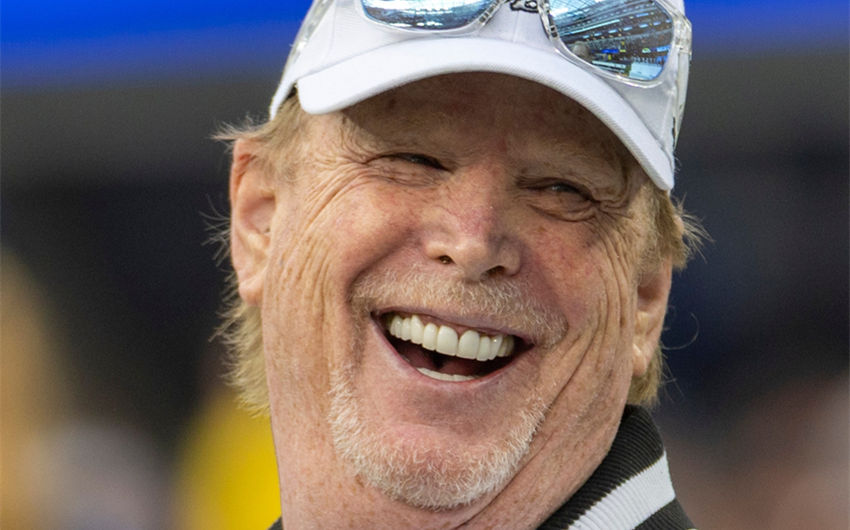
With Mark Davis, the internet loves surface details: the bowl-cut hairstyle, the memes, the photos where he looks like he wandered into the wrong room. But the reason those details stick is psychological. People like owners to look powerful. Mark Davis often looks ordinary—sometimes even insecure—and that makes people project.
Here’s the reality, though: NFL ownership is power whether you “look” powerful or not. If anything, Mark Davis’s unusual public image makes him more recognizable, and recognition is a kind of currency in sports. Fans spot him instantly. Media headlines stick instantly. He’s visually “a character,” and characters survive longer in public memory than polished executives.
What People Get Wrong About Mark Davis
One common mistake is assuming he’s just a passive heir who lets others run everything. That’s not how NFL ownership works. Even if an owner isn’t a football strategist, they still control the direction of the organization through hiring decisions, priorities, and risk tolerance.
Another mistake is assuming the Raiders’ identity is frozen in the Al Davis era. It isn’t. Mark Davis inherited a mythology, but the league around him changed. Modern NFL success is shaped by salary cap strategy, analytics, quarterback development, and organizational stability. Mark’s challenge has been translating Raiders mythology into modern infrastructure without making the team feel like a generic franchise.